

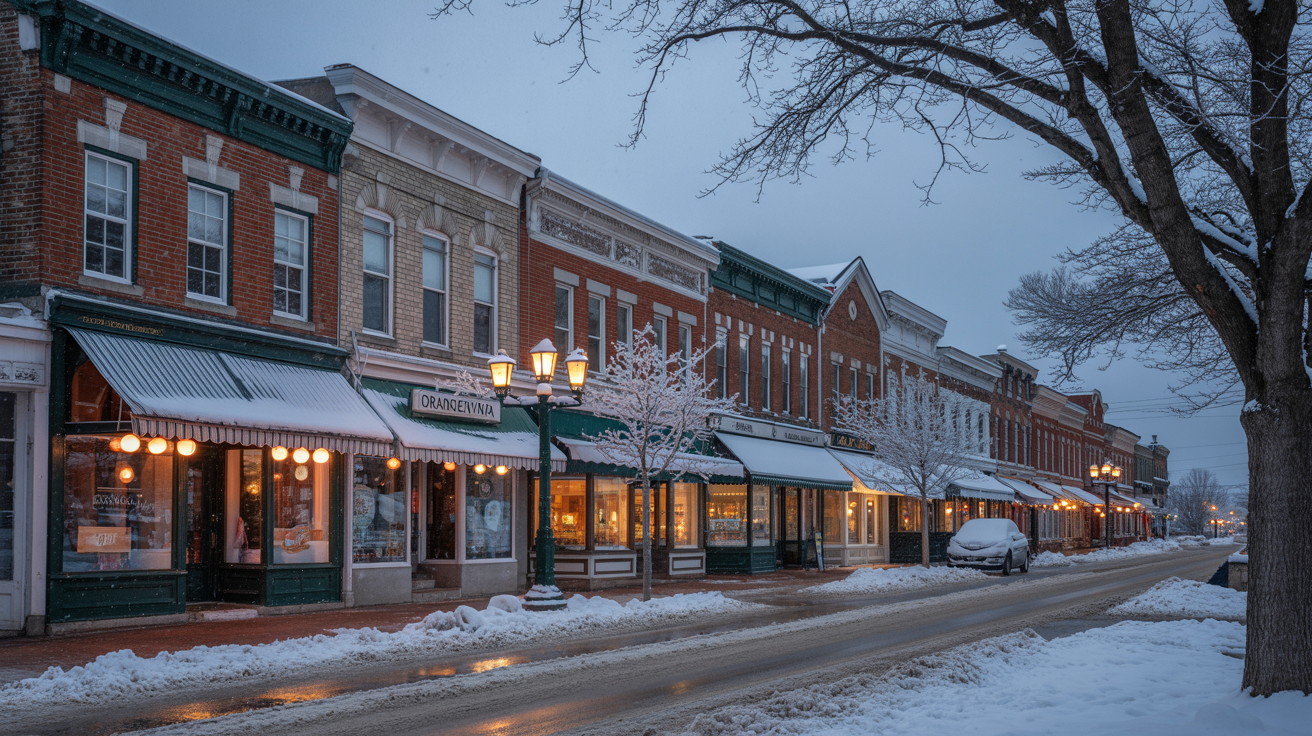
Moving companies in Ontario drop their rates by up to 30% during winter months, yet most people still avoid relocating between December and March. This creates a massive opportunity for those willing to see past the snow and cold temperatures. Winter moves in Ontario offer distinct advantages that summer relocations simply cannot match — greater scheduling flexibility, lower costs, and the chance to experience your new community during its most authentic season. You're capable of turning what others view as an obstacle into your biggest advantage. This article will show you how to harness Ontario's winter beauty while navigating your move with confidence, from practical packing strategies that protect your belongings in sub-zero temperatures to discovering local winter festivals that help you connect with neighbors before spring arrives. You'll learn specific techniques for working with moving crews during harsh weather, find out which Ontario communities offer the best winter activities for newcomers, and discover how to make your first winter in a new place feel like home rather than survival mode. Moving during Ontario's winter months doesn't have to be something you endure — it can become the foundation for a deeper connection to your new community and a story you'll tell with pride for years to come. Ready to transform your winter move from a dreaded necessity into an adventure that sets you up for success in your new Ontario home?
Maximize the Benefits of Winter Moves
Professional moving companies report significantly fewer bookings during Ontario's coldest months, creating a perfect storm of opportunity for savvy relocators. The demand drop transforms what many consider an inconvenient season into your strategic advantage. Moving companies will typically offer lower rates during this time, making winter relocations substantially more affordable than their summer counterparts.
Scheduling Freedom During Off-Peak Season
Winter moves grant you unprecedented control over your timeline. Since fewer people are buying and selling homes in the winter, companies will likely have more flexible schedules that accommodate your specific needs. You can secure your preferred moving dates weeks in advance rather than competing with dozens of other families for limited weekend slots. This flexibility extends beyond just the moving day itself — you can negotiate delivery windows, request specific crew members, and even arrange multiple-day moves if needed.
The reduced competition means moving professionals can dedicate more attention to your relocation. Crews work at a steadier pace without the rushed atmosphere of peak season, often resulting in more careful handling of your belongings and better customer service overall.
Financial Advantages of Cold-Weather Relocations
Winter moving delivers measurable savings across multiple expense categories. The most significant benefit comes from reduced moving company rates, but the savings extend further than base pricing. You can better negotiate rates and dates in your favor when companies compete for limited winter business. Storage facilities also reduce their monthly rates during slower periods, helping if you need temporary space between moves.
Key financial benefits include:
- Moving company discounts ranging from 15-25% below peak season rates
- Greater negotiating power for additional services like packing and unpacking
- Reduced truck rental costs due to lower demand
- Cheaper temporary accommodation rates in most Ontario cities
- Lower utility connection fees as service providers seek winter customers
Weather Contingency Strategies
Snow and ice on the road could slow down moving trucks, making backup planning essential for winter relocations. Smart preparation involves booking your move for mid-week when weather forecasts are most reliable and road maintenance crews have cleared weekend storm damage. Contact your moving company 48 hours before the scheduled date to confirm conditions and discuss alternative dates if severe weather threatens.
Creating multiple contingency plans protects your timeline and reduces stress. Arrange temporary storage options in case weather delays prevent immediate delivery to your new home. Keep essential items in easily accessible bags that travel with you rather than in the moving truck. Stock up on ice melt and ensure both your current and future driveways remain clear for safe loading and unloading.
Safety First in Snow and Ice
Icy surfaces transform routine moving tasks into potential hazards that demand your complete attention and preparation. Ontario's winter conditions create treacherous footing around homes, making every step between your front door and the moving truck a calculated risk. Professional movers face increased injury rates during winter months, and homeowners attempting DIY moves encounter even greater dangers without proper training or equipment.
The human body loses balance more easily on frozen surfaces, and carrying heavy boxes or furniture amplifies this risk exponentially. Your reflexes slow in cold temperatures, reducing your ability to recover from slips before they become serious falls. Emergency rooms across Ontario report spike in fracture and sprain cases during peak moving season from December through February, with most incidents occurring on residential driveways and walkways.
Protecting yourself and your moving crew requires proactive measures that address both immediate hazards and ongoing maintenance throughout moving day. Clear snow and ice from walkways and driveways before anyone arrives at your property. This fundamental step creates safe passage for heavy equipment and reduces accident risks significantly. Rock salt works effectively for most ice conditions, but temperatures below -15°C require calcium chloride or magnesium chloride products for proper melting action.
Essential winter moving safety measures include:
- Spread rock salt or sand on all walking surfaces at least two hours before movers arrive
- Apply de-icing products to driveways early in the morning and keep extra supplies ready for reapplication
- Install temporary handrails along steps or steep walkway sections using portable clamp-on systems
- Position non-slip mats at all entry points to prevent tracked snow from creating indoor hazards
- Equip your vehicle with winter tires rated for Ontario's climate conditions
- Schedule pre-move vehicle maintenance including battery testing, antifreeze levels, and heating system inspection
Vehicle preparation extends beyond basic winterization to encompass emergency supplies and route planning. Winter tires provide superior traction compared to all-season alternatives, reducing stopping distances by up to 25% on icy roads. Your vehicle's battery loses 20% of its capacity in freezing temperatures, making professional testing essential before moving day. Antifreeze protection should extend to -40°C for Ontario winters, and windshield washer fluid must contain methanol to prevent freezing in the lines.
Maintaining these safety protocols throughout your moving day prevents accidents that could derail your entire relocation timeline. Keep de-icing materials accessible for quick reapplication when temperatures drop or precipitation increases. Monitor weather forecasts regularly and adjust your schedule accordingly, allowing extra time for each phase of the move when conditions deteriorate.
Embrace Ontario's Winter Activities
Outdoor recreation transforms completely once snow blankets Ontario's diverse terrain, creating opportunities that exist nowhere else during warmer months. The province's frozen waterways become natural highways for exploration, while snow-covered parks offer pristine wilderness experiences impossible to replicate in summer conditions. Your relocation timing can align perfectly with these seasonal attractions, turning your move into an adventure rather than just a logistical challenge.
Ice Skating Adventures
Toronto's Harbourfront Centre operates one of the province's most spectacular outdoor rinks, positioned directly along Lake Ontario's shoreline with downtown's skyline creating a dramatic backdrop. The facility maintains its surface from late November through early March, offering both recreational sessions and organized events throughout the season. Professional-grade ice maintenance ensures smooth conditions even during temperature fluctuations, while heated changing areas and equipment rentals make participation accessible for newcomers without gear.
Ottawa's Rideau Canal represents the world's largest naturally frozen skating surface, stretching 7.8 kilometers through the heart of Canada's capital. This UNESCO World Heritage site becomes a winter playground where thousands of residents and visitors glide past historic landmarks and government buildings. Local vendors sell traditional beaver tails and hot chocolate directly on the ice, creating a uniquely Canadian experience that defines winter culture in the region.
Snowshoeing and Tobogganing
Algonquin Provincial Park maintains over 80 kilometers of designated winter trails specifically designed for snowshoe exploration. The park's interior access points remain open throughout winter months, providing entry to backcountry routes where wildlife tracking becomes remarkably easier against snow backgrounds. Equipment rental facilities operate from the visitor center, and guided tours introduce beginners to proper techniques while highlighting the area's winter ecology.
Niagara Falls region offers multiple tobogganing hills that capitalize on the area's natural topography and reliable snow accumulation. Chippawa Creek Conservation Area features groomed slopes suitable for all skill levels, while nearby Short Hills Provincial Park provides more challenging terrain for experienced sledders. The combination of winter sports and proximity to the famous waterfalls creates unique photo opportunities as ice formations develop along the gorge walls.
Winter Festivals
Winterlude transforms Ottawa into an international winter celebration spanning three consecutive weekends in February. The festival features ice sculpture competitions, snow playground construction, and cultural performances that attract over 600,000 participants annually. "Family attractions, festivals, and holiday markets" rank among the most popular winter activities for Ontario visitors, making these events perfect for connecting with your new community while experiencing authentic Canadian traditions.
Toronto's Cavalcade of Lights illuminates Nathan Phillips Square from late November through early January, combining light displays with outdoor programming that includes live entertainment and winter market vendors. The event draws both locals and tourists, creating natural networking opportunities for recent arrivals seeking social connections during their first winter season.
Coordinating your relocation schedule around these major festivals provides immediate social integration opportunities while showcasing your new region's cultural offerings. Many communities host smaller winter celebrations that complement these flagship events, extending your options for community engagement throughout the coldest months.
Practical Moving Tips for Ontario's Winter
Successful winter relocations depend on specific preparation strategies that address temperature, lighting, and moisture challenges unique to Ontario's harsh climate. Professional movers who specialize in cold-weather transitions implement proven techniques that transform potentially difficult situations into manageable processes. Your ability to execute these targeted approaches will determine whether your winter move becomes a source of stress or satisfaction.
Temperature control inside your destination property creates the foundation for efficient crew performance and equipment functionality. Warming at least one designated space to comfortable working temperatures ensures that your moving team maintains productivity levels throughout the day. Cold environments slow human reflexes and reduce grip strength, leading to increased handling time and potential safety issues. Professional moving equipment also performs better in heated environments, with hydraulic systems and electronic devices functioning more reliably when protected from extreme cold.
Early morning departure times maximize available daylight hours during Ontario's shortened winter days. December and January provide only eight to nine hours of natural light, making timing crucial for safe loading and unloading procedures. Starting your move at sunrise allows completion of outdoor work before darkness creates additional hazards. Artificial lighting becomes necessary for evening work, but natural daylight offers superior visibility for navigating icy surfaces and identifying potential obstacles around your property.
Moisture protection requires specialized packing materials designed to withstand Ontario's wet winter conditions. Standard cardboard boxes absorb moisture from snow and rain, compromising structural integrity and potentially damaging contents. Waterproof containers provide superior protection for electronics, documents, clothing, and other moisture-sensitive items during transport and temporary storage periods.
Essential winter moving preparations include:
- Maintain interior temperatures above 18°C in at least one room throughout moving day
- Begin loading procedures no later than 7:30 AM to capture maximum daylight hours
- Invest in plastic storage bins with tight-fitting lids for vulnerable belongings
- Apply weatherstripping around doors and windows to prevent heat loss during frequent opening
- Position space heaters strategically to warm high-traffic areas without creating fire hazards
- Stock extra batteries for flashlights and ensure backup lighting systems remain accessible
Implementing these targeted strategies transforms winter moving from a survival exercise into a well-orchestrated process. Temperature management keeps your crew working efficiently while protecting sensitive equipment from cold-related malfunctions. Daylight optimization reduces accident risks and allows thorough inspection of your belongings during loading and unloading phases. Moisture barriers prevent water damage that could ruin irreplaceable items or create expensive replacement costs in your new home.
Engage with Local Traditions Post-Move
Connecting with your new community through authentic local customs creates immediate pathways to friendship and cultural understanding that accelerate your integration process. These shared experiences provide natural conversation starters with neighbors while demonstrating your genuine interest in becoming part of the local fabric rather than remaining an outsider looking in.
Ontario's maple syrup heritage runs deeper than simple agricultural tradition, representing a cultural cornerstone that connects generations of families through seasonal rituals passed down over centuries. Sugarbush operations across the province welcome visitors during the late winter months when sap collection reaches peak activity levels. These working farms offer guided tours through their maple groves where you can witness the tapping process firsthand and learn about the intricate timing required to capture sap at optimal sugar concentrations. Many operations feature traditional wood-fired evaporators housed in historic sugar shacks, creating an authentic atmosphere that showcases time-honored production methods. The experience culminates with fresh maple taffy poured directly onto clean snow, a treat that embodies the essence of Canadian winter culture. Bruce County and Muskoka regions host numerous family-operated sugarbushes that maintain open-door policies for curious newcomers seeking to understand this quintessentially Ontario tradition.
Recreational pursuits unique to winter months offer structured opportunities to meet like-minded individuals while developing skills that enhance your appreciation for the season's possibilities. Cross-country skiing networks span the province with groomed trails maintained by local clubs that welcome new members regardless of experience level. These organizations typically host weekly group outings where seasoned members mentor beginners, creating natural mentorship relationships that extend beyond the trails. Curling clubs represent another distinctly Canadian winter institution where strategic thinking combines with social interaction in heated facilities that provide refuge from harsh outdoor conditions. Most clubs offer learn-to-curl programs specifically designed for newcomers, complete with equipment loans and patient instruction from volunteer coaches. Hockey leagues accommodate adult players at various skill levels, from recreational divisions focused on fun to competitive leagues for former players seeking to maintain their edge.
Winter celebrations throughout Ontario create concentrated opportunities to experience community spirit while participating in traditions that define regional identity. Penetanguishene Winterama, the oldest winter carnival in Ontario draws families together for activities that celebrate the season rather than merely enduring it. These festivals feature ice sculpture competitions where local artists transform frozen blocks into temporary masterpieces, creating outdoor galleries that showcase regional talent. Traditional activities like horse-drawn sleigh rides through snow-covered landscapes provide romantic interludes for couples while offering children magical experiences that create lasting memories. Many communities organize winter markets where local artisans sell handcrafted goods while food vendors serve warming treats that combat the cold temperatures.
Building authentic relationships through these seasonal activities transforms your relocation from a logistical exercise into a cultural immersion experience. Regular participation in maple syrup tours, winter sports leagues, and community festivals establishes your presence as a committed community member rather than a temporary resident. These connections often lead to invitations for private gatherings, recommendations for local services, and insider knowledge about hidden gems that guidebooks never mention.
Final Thoughts
Moving during Ontario's winter months doesn't have to feel like a burden you're forced to carry. We've covered how this season offers genuine advantages - from lower moving costs and greater availability of services to the stunning beauty of snow-covered landscapes that can make your relocation memorable rather than miserable.
The practical strategies we discussed - protecting your belongings from cold weather, scheduling moves during optimal times, and preparing for winter driving conditions - give you the tools to handle logistics smoothly. But the real value lies in shifting your perspective. Winter moves open doors to immediate community connection through seasonal festivals, hockey games, and local traditions that help you feel at home faster.
You're capable of turning what others see as an inconvenience into an opportunity for exploration. Skating on the Rideau Canal, visiting winter markets, or simply appreciating Ontario's natural beauty during the quieter months can transform your moving experience into something genuinely enjoyable.
This information empowers you to approach your winter move with confidence rather than dread. You now have both the practical knowledge to execute a successful relocation and the mindset to appreciate what makes Ontario special during its coldest season.
Don't let winter intimidate you into postponing your move or settling for less than you deserve. Take action on these strategies, research your new community's winter activities, and prepare to discover why so many people fall in love with Ontario during its most distinctive season. Your winter move can become the start of something great.
Check out this article next