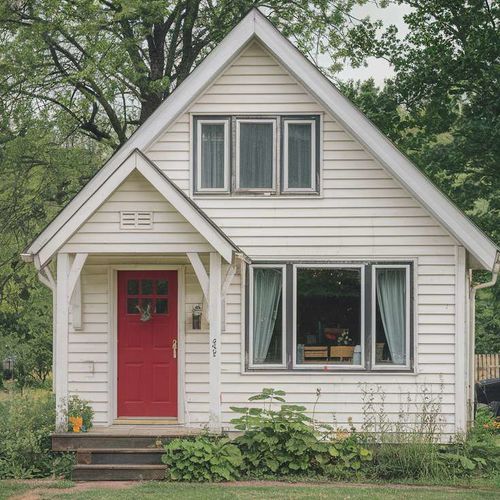


Your neighborhood choice will shape your family's daily life more than almost any other decision you make during a move. The difference between a great family neighborhood and a mediocre one often comes down to specific factors that many parents overlook during their house-hunting process. Dufferin and Grey County offer some of Ontario's most welcoming communities for families, with towns like Orangeville, Collingwood, and Shelburne providing excellent schools, abundant green spaces, and strong community connections that help children develop and parents feel supported. This guide breaks down exactly what makes these areas so appealing to families and gives you concrete tools to evaluate any neighborhood you're considering. You'll discover how to assess school quality beyond test scores, identify the warning signs of neighborhoods that might not suit your family's needs, and recognize the community features that create lasting happiness for both kids and adults. We'll walk through real stories from families who successfully relocated to Dufferin and Grey County, sharing the specific strategies they used to find their perfect match and the mistakes they avoided along the way. You'll learn how to research crime statistics effectively, evaluate commute times realistically, and spot the community amenities that matter most for your family's lifestyle. By the end, you'll have a clear framework for making this important decision with confidence. Ready to discover which neighborhoods in Dufferin and Grey County could become your family's new home base?
Key Characteristics of Family-Friendly Neighborhoods
Certain fundamental elements distinguish exceptional family neighborhoods from average residential areas in Dufferin and Grey County. These core features directly impact your children's development, your family's daily routines, and your long-term satisfaction with your new community. Understanding these characteristics empowers you to make informed decisions that will benefit your family for years ahead.
Quality Schools and Educational Options
Strong academic institutions form the backbone of any family-centered community. Access to high-quality schools influences where families choose to live and directly shapes your children's future opportunities. Parents in Dufferin and Grey County consistently prioritize school districts when selecting their new neighborhoods, often adjusting their housing budgets to secure spots in top-performing schools.
Research local elementary and secondary schools by examining standardized test scores, graduation rates, and university acceptance statistics. Visit schools during regular hours to observe classroom environments, teacher-student interactions, and available extracurricular programs. Many families overlook the importance of specialized programs like French immersion, arts education, or advanced placement courses that can significantly enhance their children's learning experience.
Consider proximity to educational facilities beyond traditional schools. Libraries, tutoring centers, and community colleges provide additional learning resources that support your children's academic growth. Some neighborhoods in areas like Orangeville and Collingwood offer walking distance access to multiple educational options, reducing transportation stress for busy families.
Access to Parks and Recreational Facilities
Outdoor spaces and recreational amenities create opportunities for physical activity, social interaction, and family bonding. Well-maintained parks, playgrounds, and sports facilities encourage children to develop healthy habits while building friendships with neighborhood peers. Look for communities that offer diverse recreational options suitable for different age groups and interests.
Evaluate the condition and safety of playground equipment, walking trails, and sports courts in potential neighborhoods. Many families find that neighborhoods with active recreation committees maintain better facilities and organize regular community events. Swimming pools, skating rinks, and community centers extend recreational opportunities throughout all seasons, particularly important in Ontario's climate.
Proximity to natural areas like conservation areas, beaches, or hiking trails adds significant value to family life. Communities near Blue Mountain or along Georgian Bay provide exceptional outdoor recreation opportunities that promote active lifestyles and environmental appreciation among children.
Community Safety and Well-being Initiatives
Neighborhood safety encompasses more than crime statistics, though these remain important factors to research. Examine traffic patterns, street lighting, sidewalk conditions, and crosswalk placement to assess pedestrian safety for children walking to school or playing outdoors. Well-designed neighborhoods feature traffic calming measures and clear sightlines that protect young residents.
Community policing programs, neighborhood watch groups, and resident engagement in local safety initiatives indicate strong social cohesion. Active community associations often coordinate safety awareness programs and maintain communication networks that keep families informed about local concerns and improvements.
Investigating emergency response times for police, fire, and medical services provides practical safety information. Rural areas in Grey County may have longer response times than urban centers, but many feature volunteer fire departments and close-knit communities that provide mutual support during emergencies.
Evaluating Schools and Education Options
Parents often discover that academic performance data tells only part of the story when selecting the right educational environment for their children. The most effective approach involves systematically examining multiple dimensions of each institution while considering how these factors align with your family's specific needs and values. Building confidence in your decision requires gathering concrete information from reliable sources and combining this data with direct observations and community insights.
School districts in Dufferin and Grey County maintain transparency through publicly available information that empowers families to make informed choices. "The first thing is going to be to research data about schools that have been made public." This foundational research creates a solid starting point for deeper investigation into each potential option.
Checklist for Assessing School Quality:
- Academic Performance Metrics - Review standardized test results, literacy and numeracy scores, and year-over-year improvement trends across different grade levels
- Graduation and Post-Secondary Success Rates - Examine completion percentages, university acceptance rates, and college readiness indicators
- Student-Teacher Ratios and Class Sizes - Investigate average class sizes and specialist teacher availability for subjects like music, art, and physical education
- Program Diversity and Specializations - Assess availability of French immersion, gifted programs, special education support, and career-focused pathways
- Extracurricular and Athletic Offerings - Document sports teams, clubs, arts programs, and leadership opportunities that match your children's interests
- Technology Integration and Resources - Evaluate computer labs, digital learning tools, library facilities, and STEM programming
- School Culture and Discipline Policies - Research anti-bullying initiatives, student support services, and approaches to conflict resolution
Distance between your home and your children's school significantly impacts your family's daily rhythm and stress levels. Morning routines become smoother when commute times remain predictable and manageable, whether your children walk, bike, take school buses, or require parent transportation. Families living within walking distance often report stronger connections to school communities and increased participation in after-school activities. Transportation logistics also affect your ability to volunteer, attend events, and respond quickly during emergencies or unexpected schedule changes.
Scheduling school visits during regular operating hours provides invaluable insights that statistics cannot capture. "Report cards and ratings can guide you in this regard, but personal visits to schools are the best part, coupled with speaking with local families to get behind-the-scenes context." Observe classroom dynamics, teacher engagement levels, and student behavior patterns during these visits. Connect with current parents through neighborhood networks, community centers, and local social media groups to gather honest feedback about their experiences. "An all-around school can only be as strong as the community behind it." These conversations often reveal important details about communication styles, administrative responsiveness, and how well schools adapt to individual student needs that formal evaluations might miss.
Exploring Parks and Outdoor Spaces
Green spaces serve as the heartbeat of strong family communities, creating natural gathering points where children develop independence and parents build lasting connections with neighbors. These outdoor environments provide essential venues for physical development, social interaction, and mental wellness that indoor activities simply cannot replicate. When families have convenient access to well-maintained parks and recreational areas, children spend more time outdoors, develop stronger social skills, and establish healthier lifestyle patterns that continue into adulthood.
Popular Parks and Trails
Scenic Caves Nature Reserve near Collingwood offers families an extraordinary combination of hiking trails, suspension bridges, and seasonal activities that engage children of all ages. The reserve features gentle walking paths suitable for toddlers alongside more challenging terrain for adventurous teenagers, making it an ideal destination for multi-generational family outings. During winter months, the caves transform into a magical ice formation display, while summer brings opportunities for cave exploration and nature photography.
Boyne River Provincial Park in Shelburne provides excellent fishing opportunities, canoe rentals, and well-maintained camping facilities that allow families to experience overnight outdoor adventures close to home. The park's shallow swimming areas and sandy beaches create safe environments for young children to enjoy water activities under parental supervision. Multiple picnic areas with covered pavilions ensure families can gather comfortably regardless of weather conditions.
The Georgian Trail stretches 34 kilometers from Collingwood to Meaford, offering paved pathways perfect for family cycling, walking, and rollerblading adventures. This former railway line provides gentle grades and scenic views of Georgian Bay, making it accessible for families with varying fitness levels and mobility needs. Multiple access points along the trail allow families to customize their outdoor experiences based on available time and energy levels.
Importance of Accessibility
"Providing children with walking accessibility to key destinations such as playgrounds is especially relevant" because young family members cannot travel independently like adults and depend entirely on convenient neighborhood access for regular outdoor play. Distance from home to recreational facilities directly impacts how frequently children use these spaces and develop outdoor activity habits.
Families with mobility challenges require parks that feature paved pathways, accessible washroom facilities, and parking areas close to main activity zones. Many newer park developments in Dufferin and Grey County incorporate universal design principles that accommodate wheelchairs, strollers, and mobility devices without compromising the natural beauty of outdoor spaces. Playground equipment increasingly includes features designed for children with different physical abilities, ensuring all neighborhood kids can participate in group play activities.
Seasonal accessibility becomes particularly important in Ontario's climate, where snow and ice can render some outdoor spaces unusable for several months each year. Parks with year-round maintenance programs, heated facilities, and winter activity options provide consistent recreational opportunities that support family wellness throughout all seasons.
Testing potential neighborhoods during weekend visits reveals how local families actually use available green spaces and whether these areas meet your specific needs. Saturday and Sunday observations show peak usage patterns, maintenance quality, and community atmosphere that weekday visits might miss. Bringing your children along during these exploratory trips allows them to experience playground equipment, interact with potential neighborhood friends, and provide input about spaces where they might spend significant time after your move.
Community Activities and Local Engagement
Neighborhoods transform into genuine communities when residents actively participate in shared experiences that bring families together throughout the year. These social connections create the foundation for lasting friendships, mutual support networks, and the sense of belonging that makes a house feel like home. Strong community programming demonstrates that local leaders prioritize family needs and invest resources in creating environments where children can develop social skills while parents build meaningful relationships with neighbors.
Regular festivals and seasonal celebrations provide natural opportunities for families to connect with their broader community while creating lasting memories. These gatherings showcase local culture, support area businesses, and establish traditions that children will remember long into adulthood. "Put simply, the most important thing families offer to their communities is their engaged presence" because these events depend entirely on family participation to succeed and continue year after year.
Annual Family Events in Dufferin and Grey County:
- Orangeville Blues and Jazz Festival - Multi-day music celebration featuring family zones, children's activities, and local food vendors that create welcoming spaces for all ages
- Collingwood Elvis Festival - Unique tribute event with costume contests, family-friendly performances, and community parades that encourage creative participation
- Shelburne Fiddle Contest - Traditional music competition featuring youth categories, workshops, and cultural demonstrations that preserve local heritage
- Dundalk Agricultural Fair - Classic country fair with livestock shows, carnival rides, craft demonstrations, and 4-H competitions that connect families to rural traditions
- Meaford Scarecrow Invasion - Creative community art project where families design displays throughout downtown, encouraging walking tours and neighborhood exploration
- Blue Mountain Village Summer Concert Series - Weekly outdoor performances with picnic areas and children's entertainment that make music accessible to young families
- Grey County Studio Tour - Annual artist showcase allowing families to visit local studios, participate in hands-on workshops, and support regional creativity
Community involvement creates the social infrastructure that helps new families integrate successfully into their chosen neighborhoods. Regular participation in local events builds recognition among neighbors, establishes support systems for childcare exchanges and emergency assistance, and provides children with diverse role models beyond their immediate family circle. "Such activities do not only bring joy to families, after all, but bring our communities together and hold them in care" by creating shared experiences that strengthen social bonds across different backgrounds and life stages.
Parents who engage in community activities often discover unexpected resources and opportunities that enhance their family's quality of life. Volunteer coaching positions, neighborhood babysitting cooperatives, and informal mentorship relationships frequently develop through consistent participation in local programming. Children benefit from seeing their parents contribute to community welfare, learning civic responsibility and developing pride in their hometown environment.
Attending local events before finalizing your neighborhood choice reveals important information about community dynamics and social expectations. Weekend farmers markets, library story times, and municipal council meetings provide authentic glimpses into how residents interact and prioritize different community needs. Notice whether events attract diverse age groups, how organizers handle logistics, and whether families with young children feel welcomed and accommodated.
Observing participation levels at different types of gatherings helps predict whether your family will find compatible social circles and meaningful volunteer opportunities. Some communities excel at outdoor recreation programming while others focus on arts education or environmental conservation projects. Testing your family's interest in available activities during exploratory visits prevents future disappointment and ensures your social needs align with neighborhood offerings.
Safety and Infrastructure Considerations
Physical environments directly determine whether children can move freely through their neighborhoods without constant parental supervision or fear of accidents. The built environment shapes daily routines, influences where kids can play independently, and affects how comfortable parents feel allowing their children to walk to friends' houses or ride bikes to nearby destinations. Well-designed residential areas provide natural protection through thoughtful planning rather than relying solely on rules and restrictions to keep families secure.
Sidewalk conditions reveal immediate information about municipal priorities and long-term maintenance commitments in potential neighborhoods. Cracked, uneven, or missing walkways force pedestrians into roadways, creating unnecessary risks for families with young children or mobility devices. Wide, continuous pathways with proper drainage and regular snow removal demonstrate that local governments invest in pedestrian infrastructure and understand family transportation needs. Street lighting quality becomes particularly crucial during Ontario's shorter winter days when children walk to and from school in darkness.
Traffic calming measures indicate whether residential streets prioritize vehicle speed over pedestrian comfort and child safety. Speed bumps, roundabouts, narrowed roadways, and clearly marked crosswalks encourage drivers to reduce speeds naturally rather than depending on enforcement alone. Neighborhoods with these features typically experience fewer accidents and create more pleasant environments for outdoor activities. Parents can assess traffic patterns by observing vehicle behavior during school pickup times and weekend periods when children are most likely to be playing outdoors.
Municipal emergency response protocols and neighborhood watch programs form the foundation of comprehensive community protection strategies. These coordinated approaches address everything from natural disasters to criminal activity through established communication networks and response procedures. Active neighborhood associations often maintain emergency contact lists, organize safety awareness workshops, and coordinate with local police departments to address specific concerns before they become serious problems.
Practical Assessment Techniques for Neighborhood Security:
- Crime Statistics Research - Contact local police departments directly for recent incident reports, response times, and community policing initiatives specific to target neighborhoods
- Evening and Weekend Observation - Walk through potential areas during different times to observe lighting effectiveness, pedestrian traffic, and general atmosphere after dark
- School Route Testing - Drive or walk the exact paths your children would take to reach schools, noting crosswalk locations, traffic volume, and potential hazards
- Emergency Services Proximity - Map distances to hospitals, fire stations, and police substations while researching average response times for different types of calls
- Infrastructure Maintenance Evaluation - Document street conditions, storm drain functionality, and public facility upkeep as indicators of municipal investment and care
"Community design features such as mixed land use, street connectivity, and pedestrian infrastructure" directly influence how safely families can navigate their daily routines. Research consistently demonstrates that neighborhoods with thoughtful planning experience fewer traffic-related injuries while encouraging more physical activity among residents of all ages.
Conducting these evaluations during multiple seasons provides comprehensive understanding of how infrastructure performs under different weather conditions. Winter assessments reveal snow removal priorities, ice management strategies, and whether walkways remain accessible during harsh weather periods. Summer observations show how well drainage systems handle heavy rainfall and whether outdoor spaces remain comfortable during peak heat periods.
Testing emergency communication systems helps families understand how quickly they would receive critical information during urgent situations. Many municipalities use automated calling systems, social media alerts, and community bulletin boards to distribute safety updates, weather warnings, and other time-sensitive announcements that affect family planning and daily decisions.
Everyday Amenities and Convenience
Grocery stores, medical clinics, pharmacies, and banking facilities form the backbone of functional family life, yet many parents underestimate how dramatically location affects their weekly routines and stress levels. The distance between your front door and these basic necessities determines whether routine errands become manageable tasks or time-consuming expeditions that eat into family time. Smart families research these practical details before committing to any neighborhood, recognizing that convenience directly impacts their quality of life and ability to maintain work-life balance.
Mapping Essential Services
Healthcare accessibility requires careful investigation beyond simply identifying the nearest hospital or walk-in clinic. Families need reliable access to pediatricians, dentists, optometrists, and specialists who accept their insurance plans and offer appointment availability that works with school schedules. Research which medical facilities provide after-hours care, emergency services, and whether they maintain electronic health records that transfer easily between providers. Many families overlook pharmacy locations and hours, only to discover later that prescription pickups require inconvenient detours during already busy days.
Banking and financial services impact daily convenience more than most families anticipate when choosing neighborhoods. ATM locations, branch hours, and mobile banking capabilities affect how easily you can handle routine financial tasks without disrupting work schedules or family activities. Credit unions and community banks often provide more personalized service for families establishing new roots in Dufferin and Grey County communities.
Grocery shopping patterns reveal important information about neighborhood demographics and retail sustainability. Large chain stores offer competitive pricing and extensive selection, while independent grocers often provide specialized products, local produce, and personalized customer service that builds community connections. Markets that stock fresh, locally-sourced ingredients support healthier family eating habits while reducing transportation costs and environmental impact.
Proximity to Daily Needs
Walking distance to basic amenities creates opportunities for children to develop independence while reducing family transportation costs and scheduling complexity. "42% would prefer a community where houses are smaller and closer to each other, but schools, stores and restaurants are within walking distance" according to recent research on American housing preferences. This statistic reflects growing recognition that convenience often outweighs space when families consider long-term satisfaction with their neighborhoods.
Driving time to routine destinations accumulates quickly when families live in areas that require vehicle trips for every errand. A ten-minute drive to the grocery store becomes twenty minutes round-trip, plus parking time and walking distance from the car to the entrance. Multiply this by multiple weekly trips for groceries, pharmacy visits, banking, and other necessities, and families can easily spend several hours each week simply traveling to complete basic tasks.
Public transportation options extend accessibility for families with teenagers who cannot yet drive independently or households managing with fewer vehicles. Bus routes, taxi services, and ride-sharing availability determine whether family members can reach important destinations without depending entirely on parents for transportation. These alternatives become particularly valuable during vehicle maintenance periods, weather emergencies, or when parents travel for work.
Timing your neighborhood visits during different parts of the week reveals how efficiently you can complete routine tasks from potential home locations. Drive the actual routes you would take to reach grocery stores, medical appointments, and banking facilities during morning rush hour, weekend peak times, and evening periods when you would typically handle errands. Document travel times, parking availability, and whether these businesses maintain hours that align with your family's schedule. Test walking routes to determine whether sidewalks, crosswalks, and lighting provide safe passage for children and adults carrying packages or pushing strollers.
Real-Life Stories and Insights
Families who have successfully relocated to Dufferin and Grey County share remarkably similar experiences about discovering what truly matters when choosing their new neighborhoods. Their journeys reveal patterns that highlight the difference between theoretical planning and practical reality. These personal accounts demonstrate how initial priorities often shift during the house-hunting process, and which factors ultimately determine long-term satisfaction with neighborhood choices.
Listening to these experiences provides invaluable perspective that supplements research data and theoretical frameworks. Families consistently report that certain aspects of neighborhood life proved more important than anticipated, while other features they initially prioritized turned out to matter less than expected. These insights help prospective residents focus their search efforts on elements that genuinely impact daily family life rather than getting distracted by superficial attractions.
The gap between expectations and reality becomes apparent through these authentic narratives. Families often discover that their assumptions about commute times, school quality, or community dynamics required significant adjustment once they actually lived in their chosen areas. Understanding these common misconceptions helps new families prepare more realistic expectations and ask better questions during their neighborhood evaluation process.
Common Challenges and Successful Strategies:
- Underestimating Winter Transportation Demands - Multiple families reported that snow removal schedules and winter road maintenance significantly affected their daily routines more than anticipated. Those who adapted successfully started visiting potential neighborhoods during January and February to observe actual winter conditions rather than relying on summer impressions. They also researched municipal snow removal budgets and spoke with current residents about typical winter accessibility challenges.
- Overemphasizing House Features While Ignoring Neighborhood Dynamics - Several relocating families initially focused heavily on property characteristics while spending insufficient time evaluating community culture and social opportunities. Successful families corrected this approach by attending weekend events, visiting local libraries during story time, and observing playground interactions to gauge whether their children would connect with neighborhood peers.
- Misjudging Commute Realities During Peak Times - Many parents discovered that their test drives to work locations failed to account for seasonal variations, construction delays, and school traffic patterns. Families who avoided this mistake conducted commute tests during different seasons and times, including morning school runs and evening rush periods, to understand true transportation demands.
- Overlooking Healthcare Provider Availability and Wait Times - Numerous families encountered unexpected difficulties securing family doctors, pediatricians, and specialists after relocating. Those who planned effectively contacted medical offices before moving to understand patient acceptance policies, typical appointment availability, and referral processes for specialized care.
- Undervaluing Community Integration Opportunities - Some families struggled to build social connections because they failed to research volunteer opportunities, recreational leagues, and neighborhood associations before moving. Successful families identified specific ways to contribute to their new communities and began participating in local activities immediately after arrival to establish relationships quickly.
Applying these lessons transforms abstract neighborhood evaluation criteria into concrete action steps that prevent common relocation mistakes. Families who incorporate these insights into their search process consistently report higher satisfaction with their final choices and smoother transitions into their new communities. These experiences validate the importance of thorough investigation beyond surface-level impressions and demonstrate how personal testimonials complement systematic research approaches.
Final Thoughts
We've covered the essential elements that make neighborhoods perfect for families in Dufferin and Grey County. Quality schools, accessible parks, active community programs, and strong safety measures form the foundation of family-friendly areas. You now have practical strategies to evaluate potential neighborhoods and real stories from families who successfully made the move.
This information empowers you to make confident decisions about your family's future home. You're capable of identifying which communities align with your values and needs. The evaluation tools we discussed help you assess everything from school ratings to community engagement levels. These aren't just nice-to-have features - they directly impact your children's development and your family's daily happiness.
The families we featured proved that finding the right neighborhood transforms how you live. Their experiences show you what's possible when you choose wisely. You have the knowledge to avoid common mistakes and focus on what truly matters for your family's well-being.
Your next step is clear. Take these strategies and start exploring neighborhoods in Dufferin and Grey County. Visit potential areas during different times of day. Talk to current residents. Attend community events. Use the checklist we provided to compare your options systematically.
You deserve a supportive community where your family can grow and connect. The perfect neighborhood for your family exists in this region. Start your search with confidence, knowing you have the tools to make an informed choice that benefits your family for years ahead.
Check out this article next